
Financial Planning
Can you afford to retire? Book an introductory call to start your plan today.
Financial Planning Process

Discovery
This is your opportunity to tell your financial story. Where does it start and where do you want it to go? Relevant information gathered at this stage includes:
Values
Goals
Income
Expenses
Assets
Liabilities

Analysis
After you’ve shared your story, it’s time to understand it. I’ll analyze your information by reviewing key financial documents related to:
Investments
Banking
Insurance
Social security
Taxes
Estate planning

Design
There are many paths you can take, but only one you can live. I’ll present options, explain the pros and cons, and together we’ll choose the plan that works for you.
Retirement income strategy
Social security timing
Roth conversion tradeoffs
Asset allocation
Insurance options
IRMAA tier management

Implementation
With a plan in hand the next phase turns to execution. Along the way you’ll find unexpected challenges and I’m here to help.
Clarifying plan design
Understanding financial jargon
Solving roadblocks
Incorporating new information
Following up on progress
Plan Element Examples
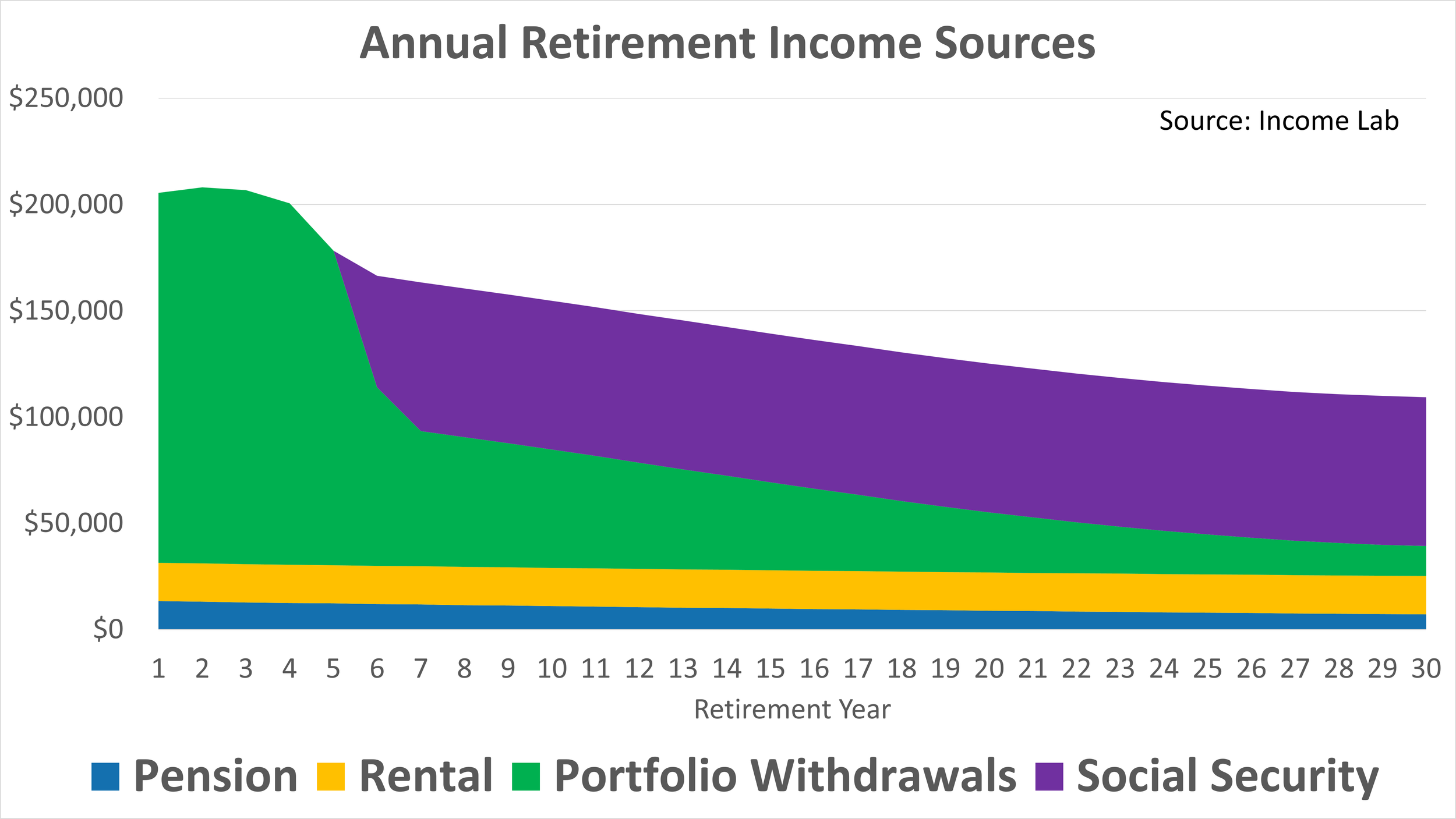
Retirement Cash Flows
Your assets, liabilities, and age are key inputs for understanding cash flows in retirement.
Asset allocation - the riskiness of investments can have material impact on future expected returns.
Tax allocation - how your money is spread amongst tax deferred, taxable, and tax free accounts
Liabilities - how much money you owe and for how long
Age - when can you claim social security
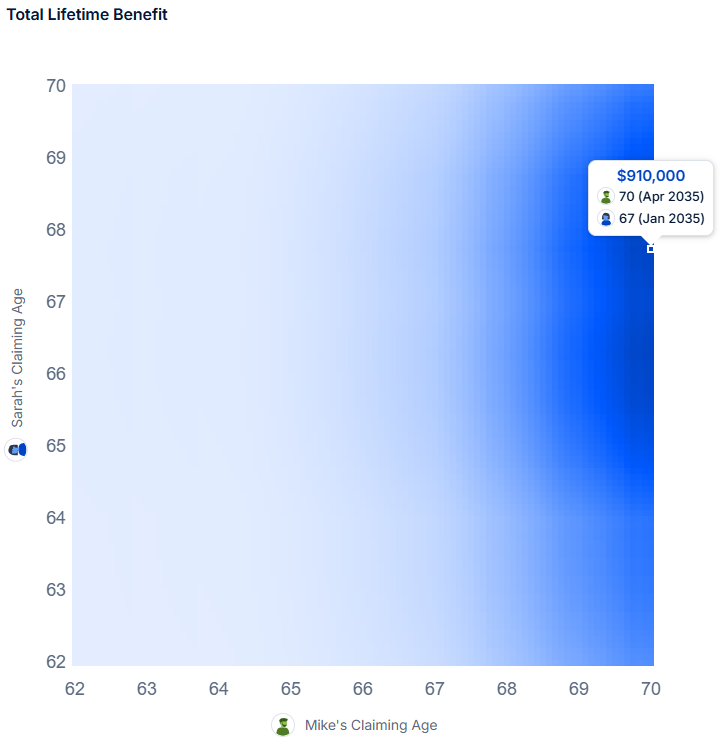
Social Security Timing
When to take social security is a unique challenge for your household. While you can claim benefits as early as age 62, you can also delay through age 70. Each year delayed results in a higher monthly paycheck. Some factors that may impact your decision include:
Life expectancy
Current assets and liabilities
Tax planning strategy
Based on your situation, the goal is to create a plan that maximizes total lifetime benefits while minimizing the amount paid in taxes
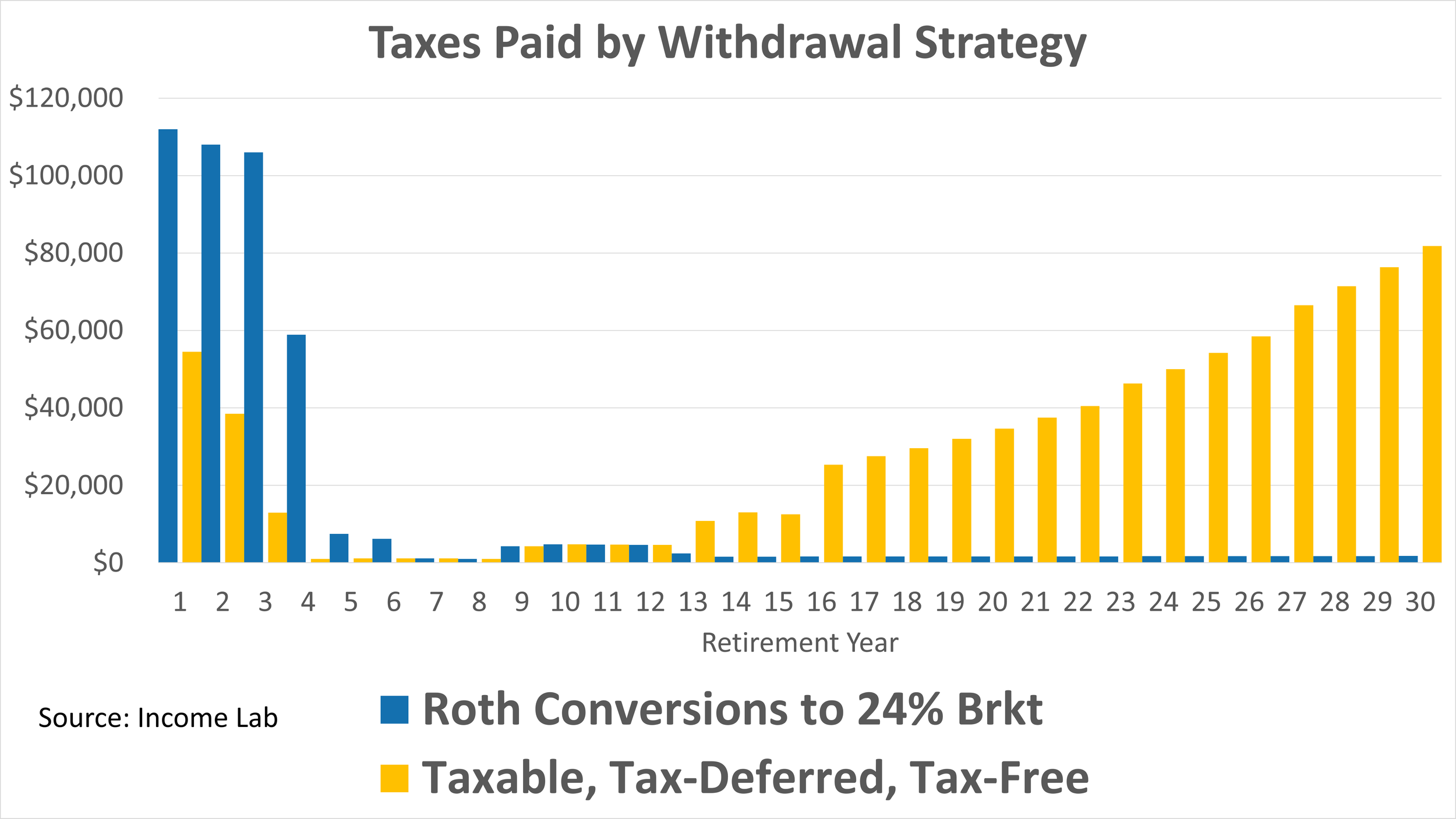
Tax Allocation Withdrawal Strategy
How you withdraw money in retirement matters. Different account types have different tax rules and the amount you withdraw impacts which tax bracket you fall under.
Capital gains
Federal income tax bracket
IRMAA thresholds
Planning for Roth conversions is an example of a tax aware strategy that can help certain investors minimize lifetime tax liability. As always, your personal situation will dictate the appropriateness of each strategy type.
Cost
Plans can range in cost between $3,000 and $20,000, covering the 12-month engagement period.
The scope of your plan will dictate the cost. Before financial planning services begin, a contract disclosing total cost must be agreed to.
Fees are waived for clients engaged in investment management.